

Ножки поддона и гнездовые заглушки работать как двухкомпонентная система подъе...
Дом / Новости / Новости отрасли / Как использование металлических штампованных деталей может повысить эффективность производства?
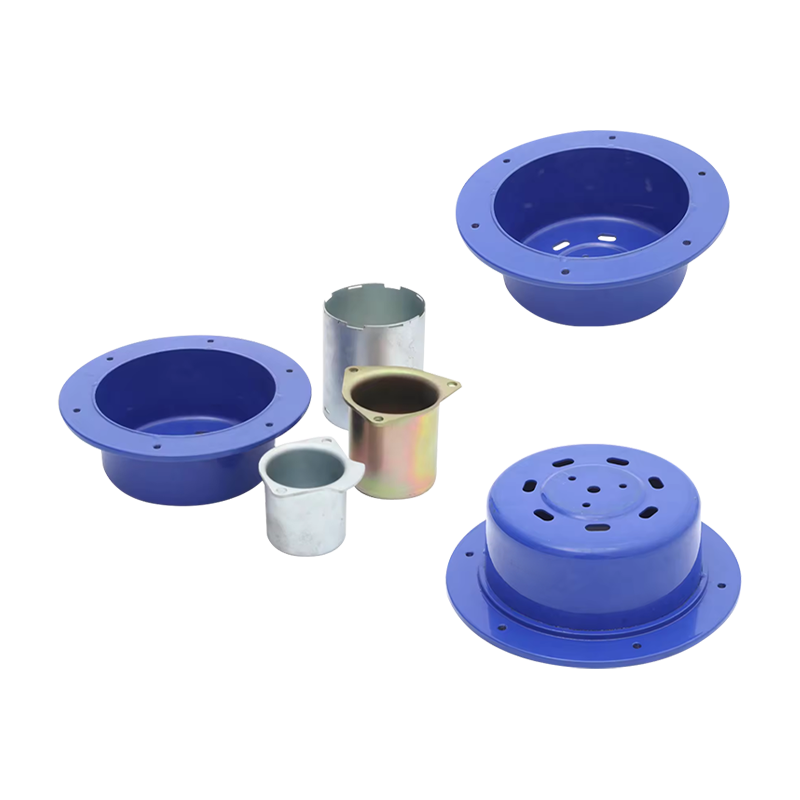
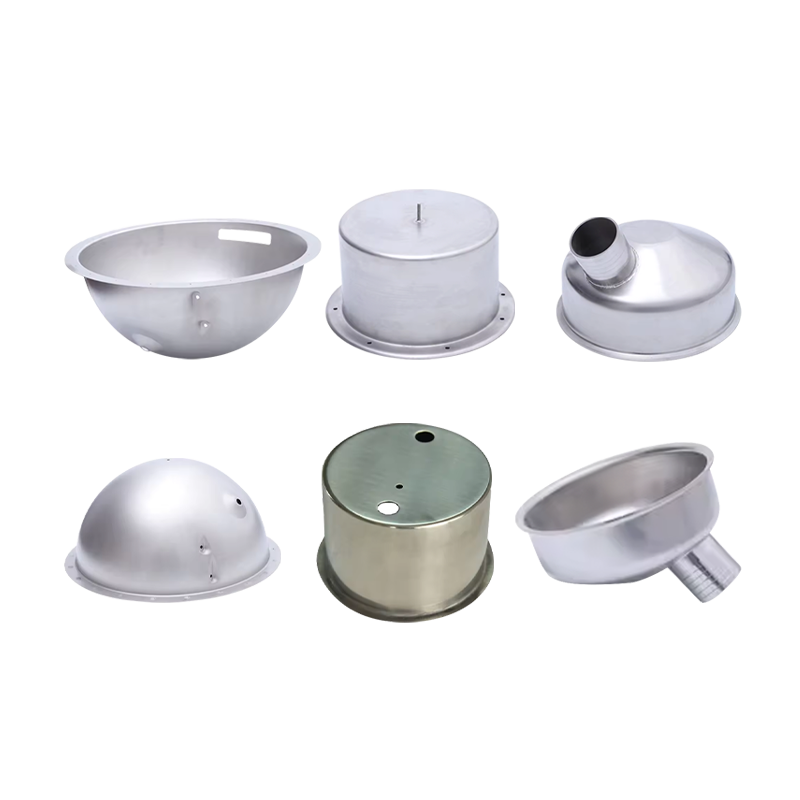
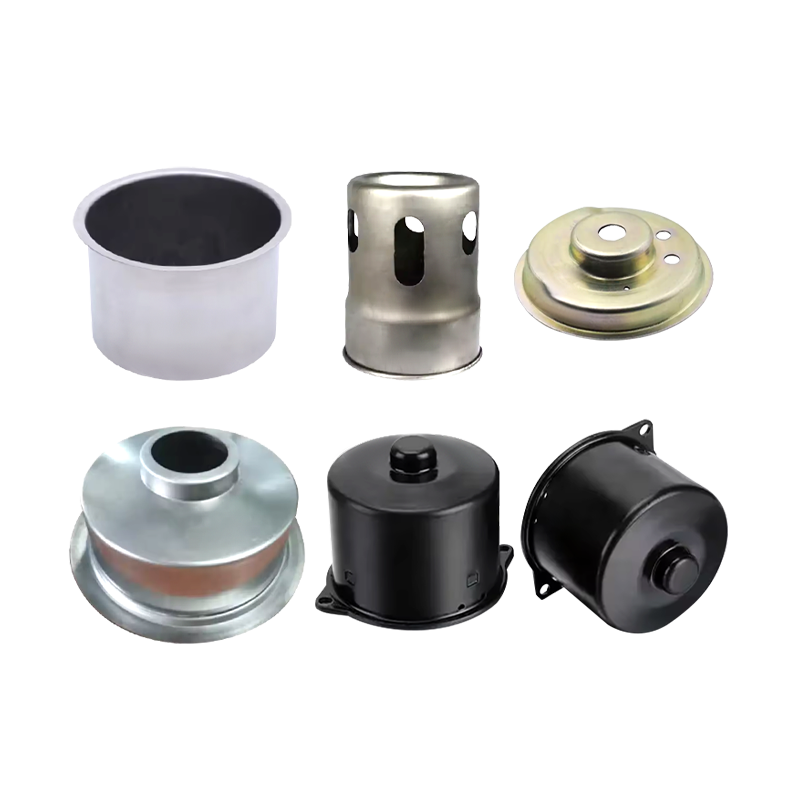
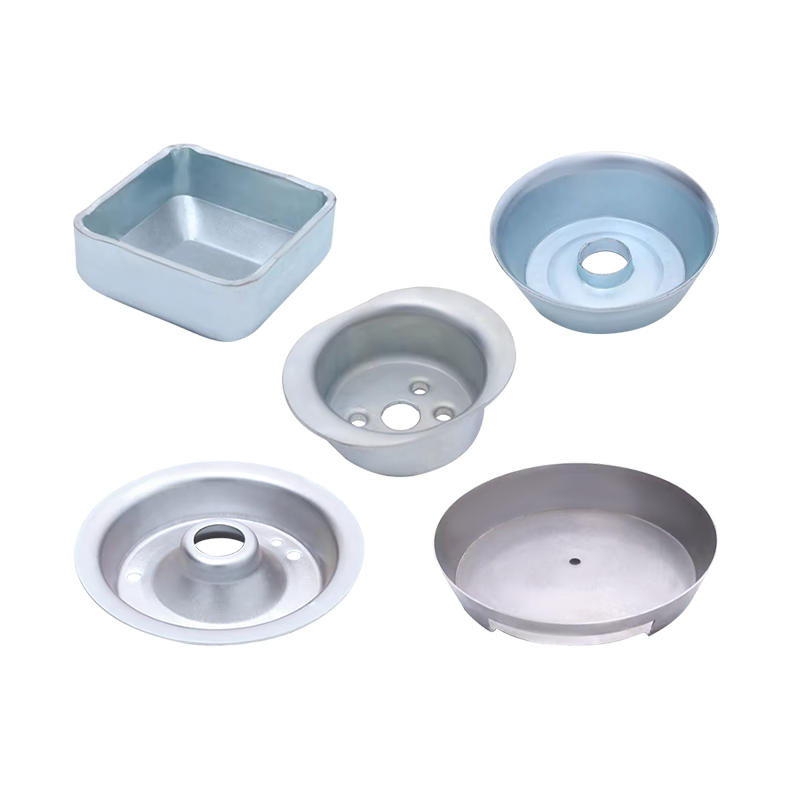
Металлические Штамповочные Детали повышают эффективность производства с помощью четырех взаимосвязанных механизмов: они объединяют несколько операций формовки в единый непрерывный цикл прессования, они работают со скоростью, с которой не могут сравниться ручные или механические альтернативы, они сокращают отходы материала на единицу продукции за счет оптимизации использования металлической полосы и обеспечивают стабильный размерный результат, что исключает доработку и узкие места в последующих проверках. Tripar Inc сообщает, что прогрессивные штамповочные прессы работают в любой точке мира. От 25 до 200 ударов в минуту и более. и что этот автоматизированный процесс может снизить затраты на единицу продукции на От 30 до 80 процентов по сравнению с обработкой с ЧПУ , при этом производители часто экономят от 50 000 до 500 000 долларов США в год на деталь, переходя с ЧПУ на прогрессивную штамповку (Источник: Tripar Inc, Progressive Die Stamping: Что это такое и как это работает). Это не незначительные улучшения. Они представляют собой структурные изменения в том, насколько быстро и дешево можно производить прецизионные металлические детали в больших масштабах.
Один из наиболее прямых выигрышей в эффективности штамповки металла достигается за счет объединения того, что в противном случае было бы последовательностью отдельных операций обработки, каждая из которых требует своей собственной настройки станка, оператора и этапа обработки, в единый автоматический цикл прессования.
Прогрессивная штамповка достигает этого путем пропускания металлической полосы через ряд штампов в одном инструменте, где каждая станция выполняет определенную операцию, такую как резка, гибка или формовка по мере продвижения полосы. Wedge Products четко описывает результат: несколько этапов автоматизированы в рамках одной матрицы, что сокращает время цикла, а готовая деталь практически не требует дополнительной обработки (Источник: Wedge Products, Что такое прогрессивная штамповка металла: прецизионное производство). LMC Industries добавляет, что именно поэтому прогрессивная штамповка наиболее примечательна своей повышенной эффективностью по сравнению с большинством других методов производства, поскольку она радикально сокращает время производства и затраты за счет устранения необходимости в отдельных операциях на нескольких машинах (Источник: LMC Industries, Повышение эффективности производства: Руководство по процессу прогрессивной штамповки).
Практическое влияние этой консолидации выходит за рамки просто времени цикла. Manor Tool отмечает, что сокращение операций внутри одной матрицы также уменьшает количество перемещений деталей между станками, что исключает вероятность ошибок в размерах, возникающих при перемещении деталей между отдельными установками (Источник: Manor Tool, 5 способов автоматизации повышает эффективность штамповки металла). Каждая передача между машинами является потенциальным источником вариаций; удаление этих переводов через консолидированный штамп также устраняет вариацию.
Скорость исходной продукции штамповочного пресса, работающего в автоматическом режиме, является одним из его наиболее значительных преимуществ в эффективности по сравнению с альтернативными процессами.
Линии прогрессивной штамповки работают со скоростью от 25 до 200 ударов в минуту или более в зависимости от сложности детали и материала (Источник: Tripar Inc, Progressive Die Stamping: Что это такое и как это работает). HE-Machine сообщает, что производительность автоматической линии прогрессивной штамповки обычно достигает 30 ударов в минуту или более , с прогрессивными штампами, выполняющими несколько задач, включая резку, изгиб и растяжение, в одном штампе, что приводит к очень высокой производительности при каждом ходе (Источник: HE-Machine, Выбор производственной линии штамповки). Задокументирован случай, когда производитель прецизионных медицинских компонентов достиг устойчивого уровня производства 140 ударов в минуту на линии прогрессивной штамповки, которая напрямую сократила производственный цикл и позволила производителю выполнить требования к поставкам больших объемов, что было бы невозможно при более медленных процессах (Источник: LSRPF, Прогрессивная и трансферная штамповка для металлических штампованных деталей).
Скорость поддерживается только тогда, когда подача материала является непрерывной и бесперебойной. Newayy Precision описывает, как автоматизированные системы подачи, роботизированная загрузка и управление прессом в реальном времени значительно увеличивают скорость производства за счет непрерывной подачи металлических рулонов и поддержания оптимального времени прессования во избежание задержек - рабочий процесс, который особенно ценен в автомобильном производстве, где в час производятся тысячи штампованных компонентов (Источник: Newayy Precision, How Does Automation Improve the Efficiency of Metal Stamping Operations). Manor Tool добавляет, что прессы с сервоприводом, автоматические устройства подачи и роботизированные системы транспортировки работают бесперебойно, исключая время простоя между ходами, обеспечивая непрерывное крупносерийное производство без ущерба для качества (Источник: Manor Tool, 5 способов автоматизации повышает эффективность штамповки металла).
Сырье обычно является одним из крупнейших затрат в любой операции по производству металлических деталей. Штамповка металла напрямую решает эту проблему, оптимизируя то, как полоса материала укладывается и проходит через матрицу.
Компоновка прогрессивной матрицы разработана таким образом, чтобы извлечь максимальное количество пригодных для использования деталей из каждой полосы материала, располагая заготовки как можно ближе друг к другу, насколько позволяет геометрия, и минимизируя количество несущей полосы, которая превращается в металлолом. Sureway Group отмечает, что расположение штампов при прогрессивной штамповке разработано таким образом, чтобы минимизировать количество отходов, а это означает, что производители получают максимальную отдачу от каждого листа или полосы металла, и что такое сокращение отходов снижает материальные затраты, одновременно поддерживая более устойчивые методы производства (Источник: Sureway Group, 10 преимуществ прогрессивной штамповки).
Эффект от такой оптимизации можно точно оценить количественно. LSRPF документирует практический пример проекта прецизионного медицинского компонента, где оптимизация прогрессивной компоновки штампа позволила повысить коэффициент использования материала с от 65,5 до 93,8 процента , полностью исключая отходы кромок, в то время как плоскостность компонента постоянно поддерживалась на уровне плюс-минус 0,04 мм, что значительно ниже допуска плюс-минус 0,05 мм, допускаемого для штамповки медицинского назначения (Источник: LSRPF, Прогрессивная и трансферная штамповка для металлических штампованных деталей). Клиент сэкономил 42 000 долларов США в год на затраты на закупку сырья. только от этого изменения, и впоследствии разместил эксклюзивный долгосрочный заказ на массовое производство этой линейки продуктов (Источник: LSRPF).
Этот пример иллюстрирует принцип, который применяется широко: повышение эффективности за счет лучшего использования материалов не является теоретическим. Они накапливаются при каждом производственном цикле и становятся более значимыми по мере увеличения объемов.
Ключевым источником неэффективности производства в любой производственной среде является доработка: детали, которые не прошли проверку размеров и должны быть исправлены, утилизированы или переработаны. Штамповка металла решает эту проблему на уровне процесса, создавая одинаковую геометрию при каждом ходе штампа.
Поскольку при каждом ходе прогрессивной матрицы один и тот же инструмент обрабатывается одним и тем же материалом в одной и той же последовательности, изменения размеров деталей контролируются геометрией матрицы, а не навыками оператора или состоянием машины. Worthy Hardware отмечает, что прогрессивная штамповка сводит к минимуму вероятность человеческой ошибки, возникающей при перемещении детали между несколькими станками, поэтому допуски в пределах плюс-минус 0,025 мм могут постоянно поддерживаться при больших объемах штамповки (Источник: Worthy Hardware, Как выбрать между прогрессивной матрицей и традиционными методами штамповки). LMC Industries описывает результат с точки зрения клиента: тщательный контроль процесса прогрессивной штамповки приводит к созданию компонентов, которые постоянно соответствуют чрезвычайно специфическим требованиям, что приводит к повышению надежности и производительности продукции, особенно в отраслях, где функциональность и безопасность имеют жизненно важное значение (Источник: LMC Industries, Повышение эффективности производства).
Современные линии штамповки повышают уровень согласованности за счет контроля в процессе производства. Newayy Precision описывает, как современная автоматизация штамповки включает в себя датчики с обратной связью, которые контролируют давление, скорость, выравнивание матрицы и толщину материала, причем эти автоматические проверки поддерживают предсказуемую точность размеров и уменьшают отклонения, которые обычно возникают при ручных операциях (Источник: Newayy Precision, How Does Automation Improve the Efficiency of Metal Stamping Operations). Mingo Smart Factory добавляет, что системы мониторинга производства в области штамповки металлов предоставляют данные в режиме реального времени о времени цикла, использовании материалов и энергопотреблении, что позволяет производителям выявлять узкие места, снижать количество дефектов и доработок посредством автоматизированных проверок качества и анализа данных (Источник: Mingo Smart Factory, Роль производственного мониторинга в индустрии штамповки металлов).
Затраты на рабочую силу напрямую зависят от объема производства при ручных или полуавтоматических процессах. Штамповка металла отделяет объем выпускаемой продукции от трудоемкости за счет автоматизации формовки, подачи и, во многих случаях, этапов проверки и обработки, которые в противном случае потребовали бы времени оператора на каждом цикле.
Manor Tool объясняет, что автоматизация штамповки снижает потребность в рабочей силе во время непрерывного производства и сводит к минимуму время простоя, вызванное ошибками ручной подачи или неправильным обращением с деталями (Источник: Manor Tool, «Роль автоматизации в современной штамповке металла»). Frontier Metal отмечает, что высокая скорость прогрессивной штамповки дополняется значительной долгосрочной экономией за счет снижения потребности в ручном труде и способности производить большие объемы деталей без пропорционального увеличения численности персонала (Источник: Frontier Metal, Максимизация ценности: преимущества прогрессивной штамповки). В результате вклад труда в расчете на деталь в стоимость единицы продукции падает по мере роста объемов, что противоположно тому, что происходит при механической обработке или ручной сборке.
| Фактор эффективности | Результат штамповки металла | Подтверждающие данные |
| Скорость производства | От 25 до 200 ударов в минуту | Источник: Трипар Инк. |
| Стоимость за единицу по сравнению с ЧПУ | на 30–80 процентов ниже | Источник: Трипар Инк. |
| Годовая экономия на деталь по сравнению с ЧПУ | От 50 000 до 500 000 долларов США | Источник: Трипар Инк. |
| Улучшение использования материалов | От 65,5% до 93,8% в задокументированном случае | Источник: ЛСРПФ |
| Ежегодная экономия сырья | 42 000 долларов США в документально подтвержденном случае | Источник: ЛСРПФ |
| Размерный допуск | Плюс-минус 0,025 мм достижимо. | Источник: Достойное оборудование |
Незапланированные простои — один из наиболее разрушительных источников неэффективности производства в любом прессовом цехе. Линия штамповки, которая неожиданно останавливается, не просто теряет время простоя; это нарушает графики последующей сборки и может вызвать затраты на ускорение процесса, которые во много раз превышают стоимость затронутых деталей.
Умные производственные подходы к штамповке металлов теперь решают эту проблему посредством профилактического обслуживания. Ульбрих сообщает, что анализ вибрации, мониторинг температуры и отслеживание состояния смазочных материалов позволяют заблаговременно предупреждать об износе или приближающемся отказе штамповочного оборудования, позволяя бригадам технического обслуживания вмешаться до того, как произойдет поломка, обеспечивая бесперебойное производство и снижая затраты на ремонт (Источник: Ульбрих, «Умное производство: использование данных и автоматизации в штамповке металла»). Guidewheel определяет основной показатель этого улучшения как общую эффективность оборудования, рассчитываемую как доступность, умноженную на производительность, умноженную на качество, которая отражает, какая часть запланированного производственного времени действительно продуктивна, и позволяет штамповочным операциям выявлять и устранять микроостановки, медленное время цикла и потери при переналадке, которые незаметно снижают пропускную способность (Источник: Guidewheel, Chasing Uptime: сравнение лучших платформ мониторинга для штамповочных прессов).
Штамповка металла — не самый эффективный выбор для каждой ситуации. Его преимущества в эффективности наиболее выражены в конкретных производственных условиях, и понимание этих условий помогает производителям сделать правильный выбор процесса.
ДС Метал Металлические Штамповочные Детали возможности созданы именно для этих производственных условий, предоставляя производителям высокоскоростной процесс штамповки с точным управлением, который охватывает весь спектр преимуществ эффективности, описанных выше, от консолидации операций и сокращения времени цикла до оптимизации использования материала и стабильной производительности при больших объемах производства.
Как выбрать качественные детали для штамповки металла?
Какова роль штамповки металлических деталей в производстве?
Если вы хотите стать нашим партнером или нуждаетесь в нашем профессиональном руководстве или поддержке в выборе продукции и решении проблем, наши специалисты всегда готовы помочь в течение 12 часов по всему миру.
связаться с нами
Phone:+86 139-5824-9488
FAX :+86 574-86150176
E-mail: [email protected] [email protected]
Address: Блок 2, корпус 19, парк Чжичуанчжизао, промышленная зона Чэндун, Сяншань, Нинбо, 315705, Чжэцзян, Китай
Ножки поддона и гнездовые заглушки работать как двухкомпонентная система подъе...
Чтобы выбрать качественный Металлические Штамповочные Детали , оцените посл...
Металлические Штамповочные Детали повышают эффективность производства с помощь...
